10 Best Structural Steel Suppliers for Global Buyers
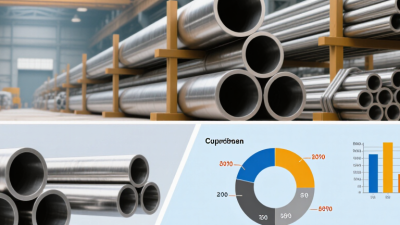
Structural steel is what you'll find holding up warehouses, bridges, industrial plants, and high-rise frames pretty much everywhere. Its value? It's not just about mill capacity. If you're buying, you've also got to check things like grade consistency, whether the sections you need are actually available, how well it welds, delivery reliability, and the technical docs behind it. So, the World Steel Association put crude steel production at roughly 1.89 billion tonnes for 2023. And in its Short Range Outlook, it projected global steel demand to be around 1.75 billion tonnes in 2024. Now, those numbers do give you a sense of how competitive things are—but they don’t necessarily mean you’ll get reliable supply for your project. Even a big producer can run into issues with regional stock, customs timing, or smaller order quantities. And honestly, that gap matters. So, this guide takes a look at ten of the leading structural steel suppliers — ArcelorMittal, Tata Steel, Nippon Steel, POSCO, China Baowu, JSW Steel, Nucor, SSAB, thyssenkrupp Steel, and Emirates Steel Arkan. We compare them on things like production strength, global reach, product standards, sustainability reporting, and how well they support buyers. It also digs into the practical stuff people actually deal with when purchasing: mill certificates, heat numbers, inspection records, coating requirements. Because yes — details matter. The International Energy Agency has said it more than once: steelmaking is one of those hard-to-decarbonize sectors. So when you see emissions data or claims about low-carbon production, it's worth checking them carefully. Supplier websites? They can sound pretty confident, of course. But independent reports and actual project references tend to hold more weight. And remember, no ranking stays the same forever. Freight costs, energy prices, tariffs, regional demand—any of these can shift what it means almost overnight. Think of this overview as a starting point for screening suppliers. From there, you'll still want to reach out to each one directly to confirm the specs and delivery terms. Mistakes can happen, of course — especially when product standards look alike but actually aren't interchangeable.
Read more » 
 By:Jasper - November 10, 2026
 By:Liam - November 7, 2026
 By:Clara - October 16, 2026