You know that Weathering Steel? It’s a pretty unique material, really known for being tough and having this cool, distinctive look. What’s really amazing about it is how it forms this stable rust layer over time—that actually protects the steel from further corrosion, which is a big plus for anyone in architecture or construction who’s thinking long-term. Companies like Steel Innovations have actually started using Weathering Steel a lot because it looks great and stands up well over time.
If you’re thinking about using it, it’s smart to really get what makes Weathering Steel tick. It doesn’t need much upkeep, so in the long run, it can end up saving you money. Of course, you’ve gotta pick the right grade for your specific environment—because it’s not always the cheapest option upfront. But honestly, its durability tends to pay off eventually, keeping costs down in the long run.
Some folks see weathering as just part of the process, but honestly, it’s more like a key feature of the material itself. Of course, people might wonder how it handles really extreme climates. Do a little homework, maybe chat with some experts—that can give you a clearer picture. All in all, Weathering Steel is like this perfect combo of function and style, which is why it’s super popular among modern builders these days.
What is Weathering Steel? A Definition and Overview
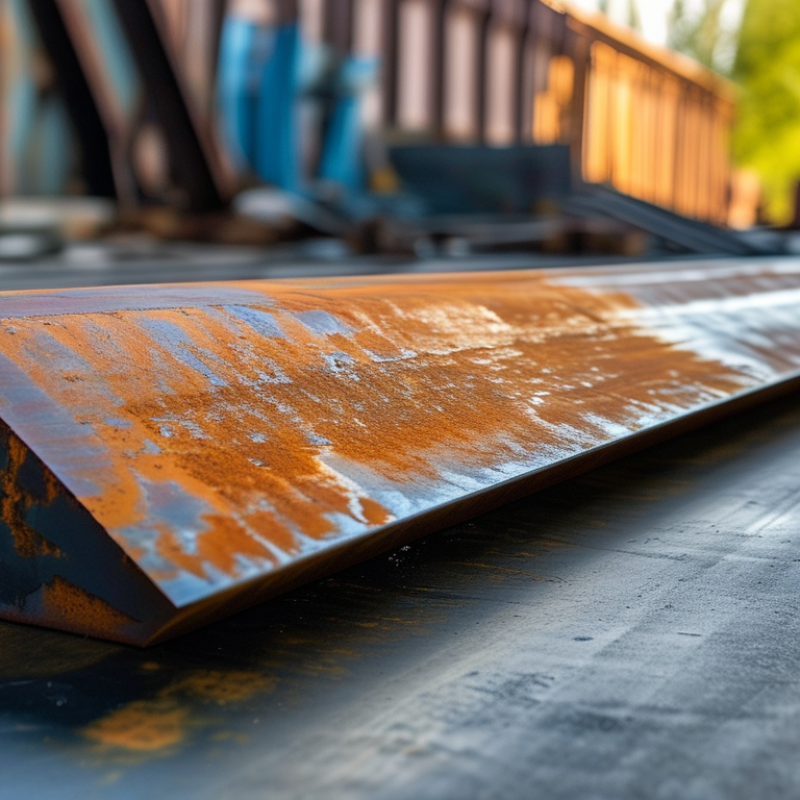
Weathering steel, also known as COR-TEN steel, is a unique type of steel that develops a rich, rust-like appearance over time. This weathered finish isn’t just for aesthetics; it serves an important purpose. The rust layer actually protects the steel underneath from further corrosion. This durability can be a major advantage in construction and architecture.
When considering weathering steel, buyers should weigh its practical benefits. Its striking visual appeal can enhance outdoor structures, such as bridges or sculptures. The protective layer reduces maintenance costs, which is a significant factor for many designers and builders. However, it's essential to consider the environment where the steel will be used. In areas with high humidity or residential spaces, the rust can transfer to nearby materials, causing unintended effects.
Buyers must also understand the potential challenges. While weathering steel offers longevity, it doesn’t eliminate the need for care. Unintended rust runoff can affect nearby landscaping or surfaces. Knowing these details ensures a well-informed decision. Investing in weathering steel can be beneficial, but it requires thoughtful consideration of its environment and application. Balancing beauty and functionality is key in the choice of materials, whether for a simple fence or a large Steel Steel Pipe structure.
The Composition of Weathering Steel: Key Elements and Alloys
Weathering steel, also known as COR-TEN steel, is valued for its unique resistance to atmospheric corrosion. This alloy is composed mainly of iron, with additional elements like copper, nickel, and chromium. These elements enhance its weatherproof qualities. According to a report by the American Institute of Steel Construction, weathering steel can last up to 100 years with minimal maintenance. This durability makes it a top choice for structures exposed to various weather conditions.
The presence of alloying elements in weathering steel is crucial. Copper, for instance, aids in the formation of a protective patina that forms over time. This patina not only slows down rust formation but also improves the steel's appearance. However, not all environments are suitable for these steel types. Areas with high humidity or salt exposure may cause the steel to corrode faster than expected. Buyers must carefully consider the local environment when choosing weathering steel for construction projects.
While weathering steel provides aesthetic and functional benefits, it’s essential to recognize its limitations. Proper application and maintenance are key to maximizing its advantages. A lack of understanding can lead to premature failure. Buyers should consult industry experts to fully grasp the material's properties. This ensures that they make informed decisions when selecting Carbon Steel Steel and its alternatives for their projects.
How Weathering Steel Develops Its Protective Patina Over Time
Weathering steel is known for its distinctive, rustic appearance. This unique quality comes from its ability to form a protective patina over time. When exposed to the elements, weathering steel undergoes a chemical reaction. This reaction leads to the formation of a dense layer of rust that actually serves as a barrier. The patina not only enhances aesthetic appeal but also protects the underlying metal from further corrosion.
The development of this patina takes time. Initially, the surface may look uneven with patches of orange and brown. After several months of exposure, the patina stabilizes into a deep earthy tone. Environmental factors play a crucial role in this process. Areas with frequent rain, humidity, or temperature fluctuations typically see faster patina development. Buyers often appreciate the evolving look, but patience is required as the desired finish cannot be hurried.
While the protective layer is a benefit, challenges exist. Variations in climate may lead to uneven patina formation. Some may find the initial rusting phase unattractive. Maintenance can also be necessary, especially in urban areas with pollutants. Understanding these dynamics is essential for buyers. Balancing aesthetics with the functionality of weathering steel involves careful consideration.
The Benefits of Weathering Steel in Construction and Design Projects
Weathering steel, often referred to for its impressive durability and rust-like appearance, offers unique benefits for construction and design projects. This material is specifically engineered to develop a protective layer of rust. Over time, this patina stabilizes and prevents further corrosion. This quality makes it ideal for buildings, bridges, and outdoor structures. Its low maintenance requirements appeal to many architects.
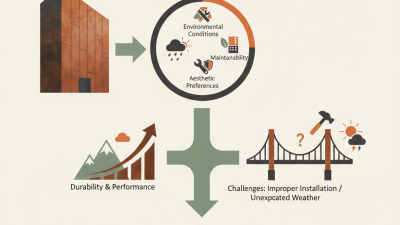
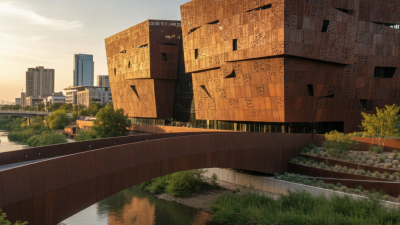
In terms of aesthetics, weathering steel brings a rustic charm that blends beautifully with natural environments. It can create striking contrasts against green landscapes or bright urban settings. Designers appreciate its ability to age gracefully, resulting in a dynamic visual experience. However, proper knowledge is crucial. If improperly installed, the weathering process may not develop effectively, potentially leading to unexpected deterioration.
Weathering steel also contributes to sustainability. Its long lifespan reduces the frequency of replacements and repairs. This aspect makes it a more environmentally friendly option compared to other materials. Companies considering weathering steel should weigh its benefits against any potential drawbacks. Each project has unique needs, and understanding the properties of Steel Carbon Steel is essential for making informed choices.
Industry Standards and Specifications for Weathering Steel Use
Weathering steel is crucial for construction and design due to its unique properties. It develops a rust-like appearance, which provides protection against further corrosion. Understanding the industry standards can significantly impact your purchasing decisions. Specifications vary by region and application, so it is vital to familiarize yourself with them.
Industry standards typically define the chemical composition, mechanical strength, and coating methods for weathering steel. These specifications ensure the quality and durability of the material in various environments. Buyers often overlook these details, leading to potential structural issues. Engaging with industry professionals can help clarify these standards.
Many buyers assume that weathering steel requires minimal maintenance. This misconception can result in unexpected costs over time. Periodic inspections are still necessary to ensure its longevity. In some cases, local regulations may dictate specific treatments or coatings for weathering Steel Structures. Understanding these nuances can lead to better decision-making and project outcomes. Choosing the right steel for your project requires diligence, especially when it comes toSteel Building Steel.
Comparative Analysis: Weathering Steel vs. Traditional Steel Options
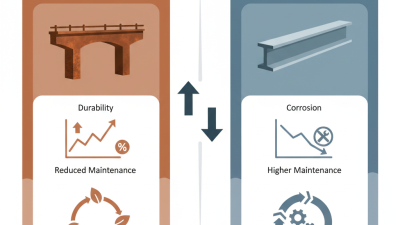
Weathering steel, known for its unique oxidation properties, offers several advantages over traditional steel options. Its patina layer develops naturally, enhancing corrosion resistance. According to a report by the American Institute of Steel Construction, weathering steel can extend the lifespan of structures by up to 50%. This makes it an attractive option for buyers who seek long-term value.
In contrast, traditional steel often requires additional protective coatings. These coatings need regular maintenance, which can lead to increased long-term costs. A study from the National Steel Bridge Alliance highlights that maintenance for coated steel can exceed 2% of total project costs annually. This indicates a significant financial difference when considering weathering steel, which requires much less upkeep.
While weathering steel presents clear benefits, it also has limitations. For instance, it may not perform well in environments with continuous moisture. This can lead to accelerated corrosion in specific conditions. Buyers need to consider their local climate and choose accordingly. Understanding the comparative advantages helps make informed decisions in construction projects, where every detail counts.
What is Weathering Steel and Why is it Important for Buyers? - Comparative Analysis: Weathering Steel vs. Traditional Steel Options
| Property | Weathering Steel | Traditional Steel |
| Corrosion Resistance | High, develops a protective rust layer | Requires coatings to prevent corrosion |
| Aesthetic Appeal | Rustic, attractive patina develops over time | Generally has a uniform metallic appearance |
| Maintenance | Low, minimal upkeep needed | High, requires regular inspections and maintenance |
| Cost | Moderate initial cost, lower long-term costs | Lower initial cost, higher long-term maintenance costs |
| Durability | Very durable, withstands harsh environments | Durable, but can be prone to rust if not treated |
| Applications | Bridges, sculptures, outdoor structures | Buildings, infrastructure, general manufacturing |
Market Trends: Demand and Applications for Weathering Steel in 2023
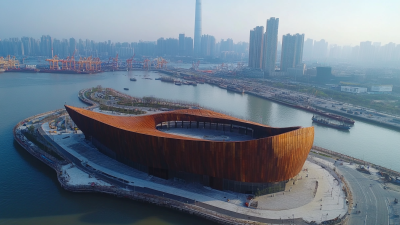
Weathering steel has gained significant traction in various industries, driven by its unique properties. The material develops a protective rust layer when exposed to weather, which enhances durability. In 2023, demand for weathering steel continues to rise, especially in construction and infrastructure projects. Its resistance to corrosion makes it an ideal choice for bridges, buildings, and sculptures.
The applications of weathering steel are expanding. Architects and engineers appreciate its aesthetic appeal and long lifespan. Recent market trends indicate a shift toward sustainable materials in design. Buyers are more informed, seeking eco-friendly solutions that reduce maintenance costs. Weathering steel fits these criteria well, aligning with industry moves towards sustainability.
However, the market faces challenges. Not all suppliers offer the same quality. Buyers must conduct thorough research to ensure reliability. The variations in weathering steel performance can lead to projects that do not meet expectations. Understanding these nuances is crucial for making informed purchasing decisions.
Market Trends: Demand and Applications for Weathering Steel in 2023
Exploring the Features and Applications of DIN 17155 Pressure Vessel Steel Plates in Industrial Engineering
DIN 17155 is a critical German standard that outlines the specifications required for pressure vessel steel plates, making it an essential reference in the field of industrial engineering. These steel plates are designed to endure extreme temperatures and pressures, ensuring that safety and performance are not compromised during operation. The rigorous standards set forth by DIN 17155 guarantee that manufacturers adhere to high-quality metallurgical processes, resulting in materials that are not only robust but also reliable in various industrial applications.
One of the standout features of DIN 17155 pressure vessel steel plates is their superior weldability and formability. This characteristic allows engineers and fabricators to effectively incorporate these materials into complex designs and structures without sacrificing integrity. The various grades available under this standard cater to specific industrial needs, enabling professionals to select the most suitable option for their projects. From oil and gas industries to chemical processing, the versatility of DIN 17155 steel plates ensures that they meet diverse operational demands while maintaining compliance with safety regulations.
FAQS
: Weathering steel is a material designed to form a protective rust layer over time.
Its durability and low maintenance needs make it attractive for various projects.
It has a rustic charm that blends with natural surroundings and ages gracefully.
Its long lifespan reduces the need for replacements, making it environmentally friendly.
Weathering steel may corrode faster in continuously wet environments.
Weathering steel develops a natural protective layer, unlike traditional steel that needs coatings.
There’s a growing demand for sustainable materials aligning with environmental preferences.
Improper installation can lead to ineffective weathering and unexpected deterioration.
Yes, not all suppliers offer the same quality, which can impact project success.
Local weather conditions can significantly affect the performance of weathering steel.
Conclusion
Weathering steel, often known for its distinctive rust-like appearance, is a type of steel designed to develop a protective patina that enhances its durability and resistance to atmospheric corrosion over time. Composed of key elements and alloys that promote oxidation, weathering steel provides significant benefits for construction and design projects, such as reduced maintenance costs and a unique aesthetic appeal.
In 2023, the demand for weathering steel has been increasingly recognized across various industries, reflecting its advantages over traditional steel options. Industry standards and specifications ensure its proper use, underscoring its importance to buyers seeking innovative and resilient materials for modern applications. The ongoing trend towards sustainability and longevity in construction further highlights the relevance of weathering steel in contemporary projects.