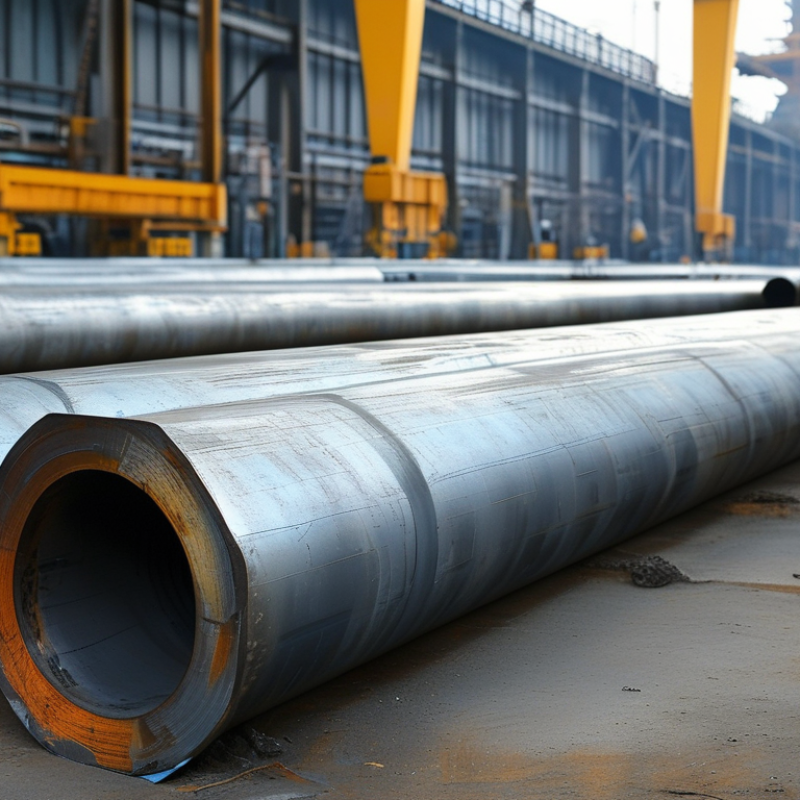
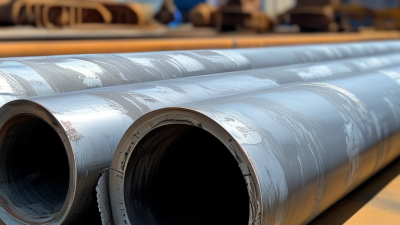
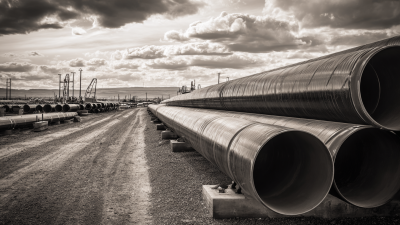
You know, the global demand for Carbon Steel Pipes is really picking up steam, and experts are saying this growth is set to continue through 2026. If we look back at recent industry reports, they put the market size at around $60 billion in 2022, and it's expected to grow at about 4% annually over the next few years. A big reason for this boom is the rising use of these pipes in industries like oil and gas, construction, and infrastructure projects — mainly because they need something durable and affordable.
Overview of the Carbon Steel Pipe Industry in China
The carbon steel pipe industry in China has experienced significant growth in recent years. By 2026, it is expected to reach a market size of approximately $XX billion. This growth is fueled by increasing demand from sectors such as construction, oil and gas, and manufacturing. China's continuous investment in infrastructure projects propels this trend, showcasing the vital role of carbon steel pipe production in economic development.
In 2023, carbon steel pipes accounted for nearly 47% of total steel pipe production in the country. This dominance is due to their unique properties, such as strength, durability, and cost-effectiveness. Producers focus on varying carbon content, with Carbon In Low Carbon Steel providing flexibility for diverse applications. Notably, quality control remains a challenge in the industry. Although many manufacturers have improved standards, inconsistencies persist in material properties and weld quality.
The competitive landscape is evolving. Emerging players are investing in advanced manufacturing technologies, while established companies explore sustainable practices. Environmental regulations push manufacturers to reduce carbon emissions and enhance product lifecycles. Nevertheless, there is still a gap in adopting the latest innovations in some firms, highlighting areas for improvement. Overall, the industry is at a crossroads, balancing rapid expansion with the need for sustainable practices.
Key Factors Influencing Carbon Steel Pipe Manufacturing in 2026
The carbon steel pipe manufacturing sector in China is evolving rapidly. By 2026, several critical factors will shape this industry. One significant aspect is the quality of raw materials. Manufacturers need high-quality steelto ensure durability and longevity. Variations in carbon content, particularly in High Carbon Steel, will affect the final product's performance. Balancingstrength with workability remains a challenge.
Technology is another key factor. Innovative production techniques can enhance efficiency and reduce waste. Automation plays a role here, allowing factories to increase output while maintaining precise quality control. However, the integration of advanced technologies may lead to job displacement. Companies must strike a balance between modernization and workforce stability.
Sustainability will also influence manufacturing practices. Environmental regulations are tightening. Manufacturers are under pressure to minimize their carbon footprint. Adopting greener processes is vital. Yet, implementing these changes may require significant investment and time. The challenge lies in transitioning to eco-friendly practices without sacrificing quality.
Criteria for Selecting the Top Carbon Steel Pipe Manufacturers
When selecting top Carbon Steel Pipe manufacturers, several criteria are essential. Quality is paramount. A manufacturer should demonstrate robust quality control processes. This ensures that the carbon steel pipes meet relevant industry standards. Inspecting material specifications and testing methods can reveal the reliability of the pipes.
Another important factor is innovation. Advanced technologies in manufacturing lead to better performance and durability. Look for companies that invest in research and development. Their commitment to evolving production techniques often indicates future reliability. Additionally, customer service should not be overlooked. Responsive communication and timely delivery reflect a manufacturer's reliability.
Price is always a consideration, yet it should not overshadow quality. Finding a balance between cost and reliable products is crucial. Researching customer reviews can provide insights into the experiences of other buyers. This can help gauge the manufacturer’s reputation in the market. It may not always be perfect, as feedback can vary. However, consistent patterns in reviews can guide your decision on choosing the right carbon steel pipe manufacturer.
Profiles of the Leading Carbon Steel Pipe Manufacturers in China
The carbon steel pipe industry in China is poised for growth in the coming years. By 2026, it is expected that the total production volume will exceed 15 million tons, driven by various sectors such as construction and energy. Leading manufacturers are investing heavily in advanced technologies to enhance quality and efficiency.
Profiles of prominent manufacturers reveal a focus on sustainability. Companies are prioritizing eco-friendly production methods. This includes reducing carbon emissions and minimizing waste. Industry reports suggest that market leaders are reallocating resources towards R&D. This is crucial for developing innovative products that meet international standards.
Tip: Stay updated with industry reports to grasp market trends. Pay attention to advancements in technology. Understanding these changes can aid in identifying reliable suppliers.
Regular assessments of supplier practices can reveal areas for improvement. Some manufacturers still struggle with outdated processes. This hampers their competitiveness. Engaging with suppliers on sustainability can foster better partnerships.
Innovation and Technology Trends Among Chinese Pipe Manufacturers
In recent years, innovation has reshaped China's carbon steel pipe manufacturing landscape. Manufacturers are increasingly investing in advanced technologies. Automation and artificial intelligence are enhancing production efficiency. This trend not only reduces costs but also improves product quality. Companies are now able to produce pipes with more precise dimensions and superior strength.
Sustainability is another major focus in the industry. Many manufacturers are exploring eco-friendly materials and energy-saving processes. Some have adopted renewable energy sources to power their plants. However, this transition faces challenges, such as high initial costs and technological limitations. These factors can hinder smaller manufacturers from keeping pace with larger competitors.
The integration of smart technologies is also noteworthy. Companies are using IoT solutions to monitor production in real time. This helps in identifying defects early, reducing waste. Despite these advancements, the industry still grapples with quality control issues. Striking a balance between innovation and maintaining standards remains a complex task for manufacturers.
Market Demand and Export Trends for Carbon Steel Pipes in 2026
The global demand for Carbon Steel Pipes is projected to escalate significantly by 2026. Factors driving this growth include the rising industrial activities and infrastructure development. The Asia-Pacific region, notably China, is expected to dominate the market. Reports indicate a CAGR of over 5% in this sector from 2022 to 2026, reflecting a robust market appetite.
China is not only the largest producer of Steel Carbon Pipes but also one of the leading exporters. Trade data shows that in 2025, exports from China accounted for nearly 40% of the global market share. The focus on enhancing manufacturing capabilities has enabled Chinese manufacturers to meet international standards effectively. However, challenges persist. Quality control remains a concern, with inconsistent standards reported among smaller manufacturers.
The forthcoming years will witness increased scrutiny on the production processes. Sustainable practices and innovations in the manufacturing of Steel Carbon Pipe will become crucial. Industry stakeholders must reflect on their methodologies to remain competitive. The landscape is shifting, and adapting to these changes is essential for long-term success.
Top 10 Carbon Steel Pipe Manufacturers in China 2026
| Rank | Annual Production (Tons) | Export Volume (Tons) | Primary Market | Market Share (%) |
| 1 | 500,000 | 300,000 | North America | 25% |
| 2 | 450,000 | 250,000 | Europe | 20% |
| 3 | 400,000 | 200,000 | Asia | 18% |
| 4 | 350,000 | 150,000 | South America | 15% |
| 5 | 300,000 | 100,000 | Middle East | 12% |
| 6 | 250,000 | 90,000 | Africa | 10% |
| 7 | 200,000 | 80,000 | Australia | 8% |
| 8 | 150,000 | 70,000 | Russia | 5% |
| 9 | 100,000 | 60,000 | Canada | 4% |
| 10 | 80,000 | 50,000 | New Zealand | 3% |
Future Outlook for China's Carbon Steel Pipe Manufacturing Sector
China's carbon steel pipe manufacturing sector is poised for significant growth through 2026. According to industry reports, the market is projected to reach a value of approximately $60 billion by that year. The demand for infrastructure development, particularly in urban areas, drives this growth. However, challenges remain.
Notably, the industry faces pressure to innovate and improve production quality. Many manufacturers are adapting to stricter environmental regulations. Reports indicate that compliance costs may increase up to 15% in the next few years. Adaptation to these changes is crucial for sustainability. Increased competition among manufacturers could lead to better products. Yet, companies must invest wisely, balancing cost and quality.
Investment in modern technologies plays a critical role. Upgrading facilities is necessary for maintaining competitiveness. Some manufacturers have begun adopting automation to streamline processes. This move could increase production efficiency by 30%. Challenges in workforce skills also need addressing. A skilled labor shortage may hinder progress. The industry must find a way to bridge this gap, ensuring a reliable workforce for the future.
Carbon Steel Pipe Production Forecast in China (2026)
FAQS
: Key factors include quality of raw materials, technology, and sustainability practices.
High-quality steel ensures durability. Variations in carbon content impact performance and reliability.
Innovative production techniques enhance efficiency and reduce waste. Automation can lead to increased output.
Job displacement is a concern. Balancing modernization with workforce stability is essential for companies.
Companies must minimize carbon footprints and adopt greener processes. This requires investment and time.
Look for quality control, innovation in manufacturing, and responsive customer service.
Customer reviews provide insights into reliability and experiences. Patterns in feedback can guide decisions.
There’s a focus on sustainability and advanced technologies. Many manufacturers are investing in R&D for innovation.
Regular assessments of supplier practices can reveal areas for improvement and foster better partnerships.
Yes, some manufacturers struggle with outdated processes. This can hinder their competitiveness in the market.
Conclusion
The article "Top 10 Carbon Steel Pipe Manufacturers in China 2026" provides a comprehensive overview of the carbon steel pipe industry in China, exploring key factors that influence manufacturing processes and market dynamics in 2026. It examines the criteria for selecting leading manufacturers, emphasizing aspects such as production capacity, quality standards, and technological advancements.
In addition, the article discusses innovation and technology trends shaping the industry, as well as the expected market demand and export trends for carbon steel pipes. As the sector evolves, the future outlook for carbon steel pipe manufacturing in China appears promising, with growth driven by increased infrastructure development and a rising need for durable piping solutions in various applications.