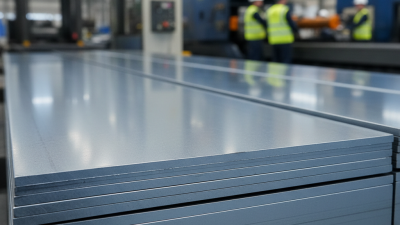
Picking out the best Cold Rolled Steelfor your projects can sometimes feel overwhelming. Industry folks often talk about how it's valued for having precise dimensions and a really smooth surface finish. No kidding — it makes up around 30% of the world's Steel Market because it’s so versatile and strong.
Honestly, understanding exactly what you need is super important. There are all kinds of Cold Rolled Steel grades, each suited for different jobs. For example, industries like automotive and appliances depend heavily on it for making parts that need to be tough yet easy to shape. And the market in North America? It’s expected to grow about 5% each year, which just shows how important it remains in manufacturing.
But, fair warning — not all Cold Rolled Steel is the same. We’ve seen that quality can really vary depending on where you buy it. That means you gotta be careful when choosing your supplier. Carefully checking specs like thickness and yield strength is a must if you want the right material for your project. Remember, paying attention to these little details can really make a difference in how long your stuff lasts and how well it performs.
Understanding Cold Rolled Steel and Its Characteristics
Cold rolled steel is a vital material in various industries, known for its superior surface finish and dimensional accuracy. This steel undergoes a process where it is rolled at room temperature, enhancing its strength through strain hardening. Typically, cold rolled steel has a yield strength ranging from 275 to 350 MPa, making it suitable for applications requiring durability.
When choosing cold rolled steel, consider its characteristics such as thickness, grain structure, and surface finish. Thicker sheets often provide more strength, while a fine grain structure enhances ductility. Commonly, this steel has a uniform cross-section, which is crucial for precise manufacturing processes. According to industry reports, about 40% of steel used in automotive manufacturing is cold rolled, highlighting its importance.
Tip: Assess the application to determine the appropriate thickness and strength. For instance, use thinner sheets for intricate parts and thicker sheets for structural components.
Moreover, understand that while cold rolled steel offers advantages, it can have some drawbacks. It may be more prone to rust compared to hot rolled steel. This necessitates proper surface treatment. Additionally, while it is workable, some may find it less malleable than desired during forming processes.
Tip: Always consider environmental factors when selecting your steel. Ensure you choose a coating or treatment to enhance corrosion resistance.
Key Properties of Cold Rolled Steel: Strength, Ductility, and Thickness
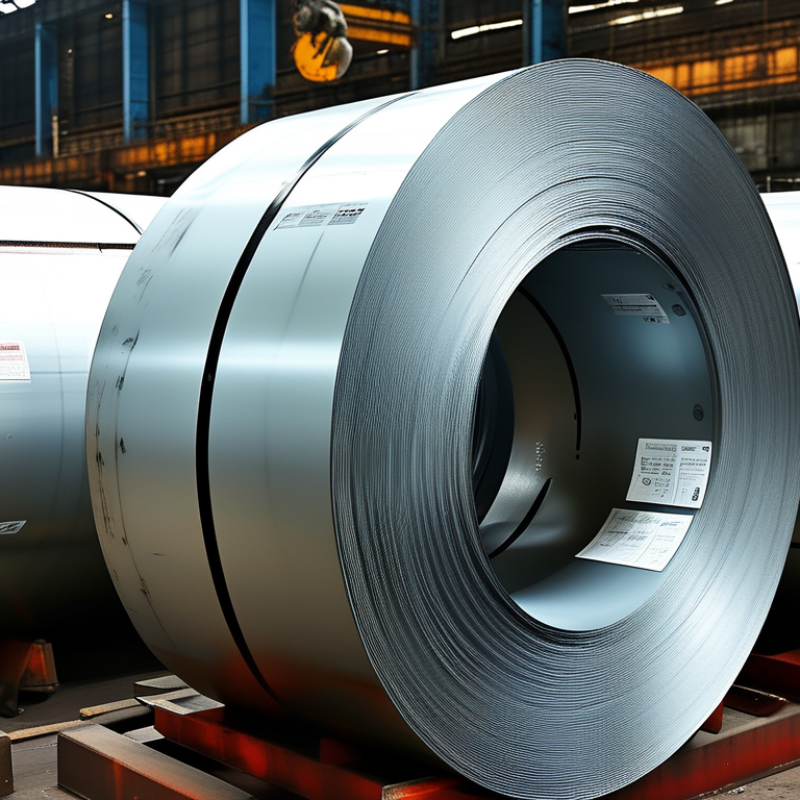
When selecting cold rolled steel, three key properties are vital: strength, ductility, and thickness. Strength indicates how well the steel can withstand forces without deforming. Cold Rolled Steel Coil is prized for its high strength, making it ideal for structural applications. However, selecting the right grade with sufficient strength for your specific use can be challenging. Not all projects demand maximum strength, so understanding your requirements is crucial.
Ductility is another essential property. It measures how much the steel can stretch or deform without breaking. Materials with higher ductility are often preferred in applications where bending or shaping is necessary. While cold rolled steel coil typically offers good ductility, some grades can be more brittle. If flexibility is important for your design, ensure you select the right type.
Thickness plays a significant role too. Thicker materials provide more strength but can be heavier and harder to work with. Conversely, thinner materials are easier to manipulate but may lack the strength needed for certain applications. Evaluating the balance between thickness and the mechanical properties required for your project is necessary. Not every choice will be perfect. Testing different grades and thicknesses in real conditions may reveal unexpected insights about performance and suitability.
Key Properties of Cold Rolled Steel
This chart illustrates the key properties of cold rolled steel, including strength, ductility, and thickness. These properties are crucial in determining the suitability of cold rolled steel for various applications.
Applications of Cold Rolled Steel in Various Industries
Cold rolled steel plays a vital role in various industries due to its strength and formability. The automotive sector, for example, relies heavily on Cold Rolled Steel Sheet for manufacturing car bodies. Reports indicate that nearly 30% of automotive parts are made from this material. Its excellent surface finish allows for high-quality painting, which is essential for aesthetic appeal and protection against corrosion.
In construction, cold rolled steel is favored for structural components. It offers high tensile strength while maintaining a lighter weight compared to hot-rolled alternatives. This makes it ideal for high-rise buildings where reducing weight can enhance stability. Industry data shows that cold rolled steel accounts for approximately 45% of the total steel used in construction projects in the U.S.
Additionally, cold rolled steel sheet is essential in appliances and electronics. It is used in the production of refrigerators and washing machines because of its durability and resistance to deformation. However, not all grades of cold rolled steel are suitable for every application. Shades of performance and reliability can vary significantly across grades. Choosing the right type can indeed be a challenging task for manufacturers.
How to Determine the Right Thickness for Your Project Needs
When choosing cold rolled steel, thickness plays a crucial role in determining suitability for your project. Common thickness options for cold rolled steel range from 0.012 inches to 0.083 inches. Depending on the application, selecting the right thickness can significantly impact durability and functionality. For instance, lighter gauges may suffice for decorative applications, but structural components often require thicker steel for added strength.
Industry reports indicate that structures using thicker steel show a 30% improvement in load-bearing capacity compared to those using thinner alternatives. This is essential for projects such as frameworks and supports. The right thickness can ensure longevity, reducing the need for frequent repairs or replacements.
**Tip:** Always consider the end use of your steel. If uncertain, consult with professionals. Their expertise can guide you in making a more informed choice.
The 2022 Sourcing and Supply Chain Trends report suggests that almost 40% of supply challenges stem from incorrect material specifications. This points to the significance of accurate thickness selection. Therefore, evaluate project requirements thoroughly and not all projects need the same gauge. Overestimating your needs could lead to unnecessary costs.
How to Choose the Best Cold Rolled Steel for Your Needs? - How to Determine the Right Thickness for Your Project Needs
| Thickness (mm) | Applications | Strength (MPa) | Weight (kg/m²) | Surface Finish |
| 0.5 | Fabrication Components | 250 | 3.92 | Smooth |
| 1.0 | Automotive Parts | 300 | 7.84 | Galvanized |
| 1.5 | Construction Beams | 350 | 11.76 | Pickled |
| 2.0 | Heavy Equipment | 400 | 15.68 | Cold Rolled |
| 3.0 | Structural Applications | 450 | 23.52 | Oiled |
Assessing the Mechanical Properties of Different Cold Rolled Steel Grades
When selecting the right cold rolled steel, it’s crucial to evaluate the mechanical properties of various grades. Cold rolled steel is renowned for its superior strength and surface finish compared to hot rolled steel. The mechanical properties include tensile strength, yield strength, and elongation, which directly impact the material's performance in applications.
Different grades of cold rolled steel exhibit varying properties. For instance, higher tensile strength often means enhanced durability but may reduce formability. If your project requires intricate shapes, a grade with good elongation is essential. Always consider the specific needs of your application when making a choice.
Tips: Prioritize the tensile strength specifications based on the intended use. It’s worth testing samples to see how they behave under stress. Understand that not all grades are perfect for every application. Some might perform well in certain conditions but may be inadequate in others. Researching the Cold Rolled Steel Material thoroughly ensures a well-informed decision. Experimentation and consultation with experts can significantly minimize errors in selection.
Cost Factors in Selecting Cold Rolled Steel: Price vs. Quality
When selecting Cold Rolled steel, cost factors play a pivotal role in decision-making. The balance between price and quality can significantly impact your project’s success. Industry research indicates that cold rolled steel can vary in price due to factors such as production volume, supplier reliability, and market conditions. Reports suggest that while higher quality steel often has a higher upfront cost, it can lead to long-term savings through enhanced durability and reduced maintenance.
Choosing the right cold rolled steel requires careful consideration. Understand your project's specific needs. This includes thickness, finish, and mechanical properties. Research shows that investing in quality materials can prevent future issues, such as warping or corrosion. Sometimes, a lower price may result in compromised quality, affecting the end product's performance.
Tip: Always ask for material certifications. This ensures you're investing in cold rolled steel that meets industry standards. Additionally, evaluate supplier reputation. A reputable supplier can provide insights into the best quality at reasonable prices. Therefore, while it's tempting to prioritize cost, don’t overlook reliability and quality, as they play a crucial role in the longevity of your application.
Sustainability and Environmental Impact of Cold Rolled Steel Production
Cold rolled steel production has a significant environmental impact. The process requires large amounts of energy and generates greenhouse gases. While innovations are emerging, assessing the sustainability of this material is crucial. From extraction to manufacturing, each stage contributes to its carbon footprint. Everyone involved must consider these effects carefully.
Recycling is a positive aspect of cold rolled steel. It allows for reduced resource depletion and minimizes waste. Many manufacturers now utilize scrap steel, cutting down on energy use. However, not all facilities adhere to sustainable practices. Some companies might still prioritize production speed over environmental care. This raises questions about industry standards.
Transparency in sourcing is vital. Knowing where the steel comes from can unveil its environmental credentials. Certifications can help buyers make better choices. Unfortunately, not all manufacturers provide clear information. This lack of transparency leads to uncertainty. Evaluating the overall impact remains a challenge for consumers. It's essential to stay informed and ask questions about cold rolled steel.
FAQS
: The key properties are strength, ductility, and thickness. Each plays a role in the steel's performance.
Strength indicates how well the steel withstands forces without deforming. It’s crucial for structural applications.
Ductility measures how much steel can stretch or deform. Higher ductility is preferred for bending or shaping.
Thickness affects strength and weight. Thicker steel is stronger but heavier; thinner steel is easier to manipulate.
Cold rolled steel production has significant environmental impacts, including high energy use and greenhouse gas emissions.
Yes, recycling cold rolled steel reduces resource depletion and waste. It’s an important sustainability aspect.
Transparency can reveal the steel's environmental impact. Certifications help buyers make informed decisions, but some manufacturers lack clarity.
Testing can reveal unexpected insights about performance and suitability for specific applications. Not every choice will be optimal.
Consumers must navigate issues of sustainability and transparency. Finding reliable information can be difficult.
No, some prioritize production speed over environmental care. This raises concerns about industry-wide standards and practices.
Conclusion
Cold Rolled Steel is a versatile material known for its superior strength, ductility, and thinness compared to its hot-rolled counterpart. In various industries, its applications range from automotive and construction to manufacturing, where its mechanical properties are crucial for performance. When selecting the best Cold Rolled Steel for specific project needs, it's essential to assess the right thickness and evaluate the mechanical properties of different grades to ensure suitability.
Cost considerations also play a significant role in decision-making, where the balance between price and quality can impact overall project success. Additionally, the sustainability and environmental impact of Cold Rolled Steel production have become increasingly important, prompting manufacturers to adopt practices that minimize ecological footprints. Understanding these factors is vital for making informed choices that meet both functional and environmental criteria.