When you're looking into the 2026 top Hot Rolled Steel Bar suppliers and prices, it’s really important to compare carefully — not just rank them. This steel kind is used in construction, machinery, transportation gear, and just general fabrication, so its value can swing pretty a lot depending on things like steel grade, diameter, how much is produced, shipping costs, and delivery conditions.
In 2024, the World Steel Association reported around 1.88 billion tonnes of crude steel produced worldwide. That’s a huge number, and it shows how big the market is, but it doesn’t mean that bar prices are going to stay steady. The OECD Steel Market Developments report also points out ongoing capacity issues and uneven demand across regions. So, as a buyer, you really shouldn’t just go for the lowest headline price — make sure to compare offers against the current mill certificates and specs.
Major players like China Baowu, Nippon Steel, ArcelorMittal, Tata Steel, and JSW Steel serve different regions and product needs, and their prices can vary widely depending on the standards — things like ASTM A615, ASTM A36, EN 10025, or JIS G3101 grades. When you’re requesting a quote, make sure it clarifies details like diameter tolerance, chemical makeup, mechanical strength, surface finish, how the bundles are packed, and inspection terms. It’s also smart to check whether the price covers inland transport, export paperwork, insurance, and ocean freight.
Keep in mind, even small details matter — a few dollars per tonne can vanish into port fees or re-testing costs. Resources like Fastmarkets and S&P Global Commodity Insights give you good benchmark signals, but a lot of actual transaction prices are confidential, which can be a pain. That’s why this guide is all about helping you compare supplier capabilities, reported price ranges, certification backing, and buying risks for 2026. Just remember, some numbers may become outdated pretty fast, so it’s a good idea to double-check offers before you sign any contracts.
Hot Rolled Steel Bar Scope: ASTM A29, EN 10060, and JIS G3191 Standards
2026 Top Hot Rolled Steel Bar Suppliers and Prices
Hot rolled steel bar purchasing begins with the standard, not the lowest quotation. ASTM A29 covers general requirements for carbon and alloy steel bars. It addresses chemical composition, mechanical testing, heat treatment, and certification. Buyers should confirm the exact grade, delivery condition, and A29 or A29M edition.
EN 10060 focuses on hot rolled round bars, including dimensions, ovality, and permitted tolerances. A 50 mm bar may not measure exactly 50 mm at every point. Scale, straightness, and surface marks also affect processing results. Check the dimensional class before comparing supplier prices. A low price can hide tighter machining allowances or extra inspection costs.
JIS G3191 provides dimensional, shape, weight, and tolerance requirements for hot rolled steel bars. Its measurement method may differ from a buyer’s usual practice. That detail matters. Request a mill test certificate, heat number traceability, chemical analysis, tensile results, and inspection records. For serious orders, verify random bar diameters with a calibrated micrometer and inspect the black scale near the cut ends.
Prices in 2026 will vary with diameter, grade, order volume, freight, testing, and delivery region. Suppliers should show whether pricing includes cutting, packing, certificates, and surface treatment. I would also question quotes that promise every standard without listing the applicable grade. Standards are not interchangeable. This is where purchasing teams sometimes move too quickly, then discover that tolerances or documentation do not match the final application.
2026 Price Benchmarks: USD 550–900 per Metric Ton by Major Region
2026 Price Benchmarks: USD 550–900 per Metric Ton by Major Region
Hot rolled steel bar prices in 2026 show a wide regional spread. Asia commonly sits near USD 550–700 per metric ton, while the Middle East and Africa range around USD 600–750. European benchmarks often reach USD 700–850. North American material can approach USD 900. These figures reflect indicative market assessments, not fixed supplier quotations.
Independent steel market reports generally separate ex-works, FOB, and delivered prices. That distinction matters. Freight, energy costs, billet values, and import duties can quickly change the final invoice. Regional assessments from MEPS International and Fastmarkets regularly track these cost movements. The World Steel Association’s Short Range Outlook also links steel demand to construction activity, infrastructure spending, and manufacturing output. Demand remains uneven.
Quality changes the number. A standard commercial bar may trade near the lower band, while tighter dimensional tolerances, certified chemistry, or smaller shipment volumes increase the premium. Mill test certificates should be checked carefully. So should diameter tolerance and surface condition. A supplier offering USD 550 may exclude freight, inspection, or port handling. That price can become misleading.
Market timing remains difficult. Monthly quotations may move sharply with scrap and iron ore costs. Buyers should compare the same grade, diameter, quantity, delivery basis, and payment terms. Reported averages are useful, but they are not perfect. Local negotiation still matters.
Top Supplier Evaluation: Annual Capacity, Mill Certificates, and ISO 9001
When evaluating Hot Rolled Steel suppliers in 2026, annual capacity should be checked against real production evidence. World Steel Association data recorded about 1.88 billion tonnes of global crude steel output in 2023. That scale makes capacity claims easy to exaggerate. Ask for production records, rolling-mill schedules, furnace capacity, and recent shipment volumes. A supplier promising 500,000 tonnes annually should explain how many mills, shifts, and storage yards support that figure.
Mill certificates reveal more than a product price. Each certificate should match the heat number stamped on the bundle. Check chemical composition, yield strength, tensile strength, elongation, thickness tolerance, and inspection standards. Independent testing adds confidence, especially for structural or load-bearing applications. ISO 9001:2015 confirms a quality-management system, not automatic steel quality. ISO’s 2022 survey reported more than 1.2 million ISO 9001 certificates worldwide, so the certificate number alone is not enough. Verify its scope, issuing body, validity, and covered production site.
Look closely at traceability. Good records connect the furnace heat, rolling date, test sample, certificate, and final shipment. A missing link can complicate claims after delivery. I would also compare rejected-batch rates and corrective-action reports, when available. They are uncomfortable but useful. A polished certificate may still hide inconsistent controls. Price matters, yet a lower quote can become expensive through retesting, delays, or off-specification bars. Supplier audits should include a warehouse visit, random bundle marking, and a review of archived test data. Habits matter.
2026 Top Hot Rolled Steel Bar Suppliers and Prices - Top Supplier Evaluation: Annual Capacity, Mill Certificates, and ISO 9001
Anonymous supplier benchmarking for hot rolled carbon and alloy steel bars
Grade Comparison: A36 at 250 MPa Yield Strength vs A572 Grade 50 at 345 MPa
In 2026, buyers should compare strength before comparing price. ASTM A36 commonly provides a minimum yield strength of 250 MPa. ASTM A572 Grade 50 raises that threshold to 345 MPa. This 38% increase can reduce section weight in beams, frames, and fabricated supports. A572 Grade 50 also offers higher tensile strength, but welding procedures and thickness limits still require verification. The American Institute of Steel Construction’s design guidance supports using certified mill data, not catalogue claims, for structural decisions.
Hot Rolled Steel Coil pricing changes with thickness, quantity, freight, and regional demand. World Steel Association data recorded about 1.88 billion tonnes of crude steel production in 2024, showing the scale of this competitive market. Recent commodity reports from the World Bank also show that steel prices remain sensitive to energy costs and construction activity. A supplier’s quote should include the test certificate, heat number, dimensional tolerance, and delivery basis. The cheapest quote may become expensive after cutting losses and rework. I would not assume Grade 50 always wins. Its higher strength may justify a premium, but small projects can favor A36 for simpler fabrication.
Tips: Ask for yield-strength results, not only nominal grade labels. Compare delivered cost per usable tonne. Check mill date and coating requirements. Leave room for negotiation; prices move quickly, and my estimate could age badly.
2026 Top Hot Rolled Steel Bar Suppliers and Prices - Grade Comparison: A36 at 250 MPa Yield Strength vs A572 Grade 50 at 345 MPa
ASTM A36 has a minimum yield strength of 250 MPa and a minimum tensile strength of 400 MPa, while ASTM A572 Grade 50 has a minimum yield strength of 345 MPa and a minimum tensile strength of 450 MPa. A572 Grade 50 therefore provides approximately 38% higher minimum yield strength. Hot-rolled bars are commonly sourced through steel mills, service centers, and stockholding distributors. ASTM standards define mechanical properties but do not establish market prices; 2026 quotations vary with bar size, quantity, region, freight, certification, and surface condition.
Data basis: ASTM A36/A36M and ASTM A572/A572M minimum mechanical-property requirements. Strength values are rounded metric equivalents of the specified ksi values.
Rebar Standards: ASTM A615 Grade 60 Requires 420 MPa Minimum Yield Strength
ASTM A615 Grade 60 rebar requires a minimum yield strength of 420 MPa, or 60 ksi. Its minimum tensile strength is typically 550 MPa. These values must be verified through heat-specific mill test reports, not sales descriptions. ASTM A615/A615M also covers chemical requirements, bend performance, dimensions, and marking. A smooth bar may look acceptable. It can still fail documentation checks.
The World Steel Association’s World Steel in Figures 2025 reports approximately 1.88 billion tonnes of crude steel production in 2024. This scale supports broad supply, but it does not prove rebar consistency. Buyers comparing 2026 suppliers should request test results, production heat numbers, bend-test records, and shipment traceability. Hot Rolled Coil Steel pricing can influence fabrication costs, yet coil prices should not replace rebar-specific quotations. I would not trust a neat price table alone. That assumption is risky.
On site, a verified Grade 60 bar should match the purchase order, tag, diameter, and certificate before placement. Independent tensile testing can expose strength variation between heats. Storage matters too; standing water and heavy rust complicate inspection. In practice, the cheapest offer may become expensive after rejected batches, retesting, or delayed delivery.
Key Price Drivers: Scrap, Billet, Energy, Freight, Tariffs, and Exchange Rates
In 2026, hot rolled steel bar prices will depend on more than supplier margins. Scrap remains a visible starting point. When electric arc furnaces pay more for shredded scrap, production costs usually rise. Billet prices also matter, especially for suppliers purchasing semi-finished steel from outside their region. A $20 increase per tonne can quickly affect a monthly contract.
Energy costs add pressure. Reheating billets requires substantial fuel and electricity. A sudden power increase may appear in mill surcharges within weeks. Freight creates another gap between regions. A truck carrying 25 tonnes over 500 kilometers can add a noticeable cost per tonne. Port congestion, fuel prices, and seasonal shortages can change delivery quotes quickly.
Tariffs may protect domestic supply, but they can also narrow buying choices. Buyers should check the tariff classification, duty rate, and customs date carefully. Exchange rates create quieter risks. A weaker purchasing currency can make imported bars expensive, even when the producer keeps its local price unchanged. Compare offers using the same grade, diameter, tolerance, and delivery terms. Hot Rolled Steel Plate may share similar raw material pressures, but its rolling schedule and thickness range create different price behavior.
Request recent mill certificates and a clear cost breakdown. That habit exposes hidden freight or alloy charges. Some forecasts will still miss the market. Mine did once during an unexpected energy shock. Recheck quotes before approval.
Buying Checklist: Dimensional Tolerances, Heat Numbers, MOQ, Lead Time, and Incoterms
2026 Top Hot Rolled Steel Bar Suppliers and Prices
A reliable purchase starts with measurable details, not the lowest quotation.
The World Steel Association reported approximately 1.88 billion tonnes of crude steel production in 2024. That scale makes supplier screening essential. Request the exact bar standard, grade, diameter, length, and dimensional tolerance. Avoid accepting “standard tolerance” without a referenced specification. A 0.5 mm diameter difference can affect machining allowances and assembly fit. Confirm straightness, ovality, end condition, and bundle weight. Ask for a heat number on every bundle and match it with the mill test certificate. The certificate should show chemical composition, tensile strength, yield strength, and elongation.
MOQ and lead time need written confirmation. A supplier may quote material availability, not production availability. Separate stock, rolling, testing, and export preparation periods. UNCTAD’s Review of Maritime Transport 2024 noted that vessel rerouting increased voyage distance and shipping uncertainty. Therefore, request a realistic shipment window, not one optimistic date. Clarify whether partial shipments are allowed. It matters when one missing size stops fabrication.
Incoterms 2020 must identify the named place precisely. “CIF port” is incomplete without the destination port and agreed insurance scope. Compare prices on the same basis, including inspection, cutting, packing, documentation, freight, and duties. I would also request photographs showing bundle tags and rust protection. They are not proof of quality, but missing labels deserve questions. No checklist is perfect. I once treated a low MOQ as an advantage, then discovered higher testing and freight costs. The cheaper quote was not cheaper.
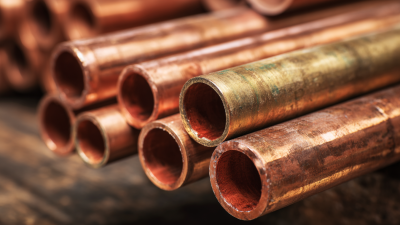
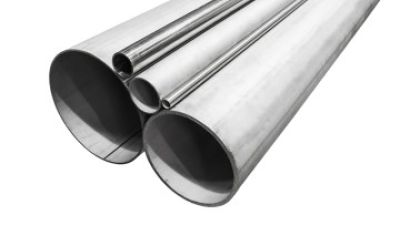
2205 High Quality Stainless Steel Pipe: Insights from the 2024 Grand View Research Market Report
The 2024 Grand View Research market report identifies corrosion resistance, longer service life, and demand from energy and chemical-processing industries as important drivers of stainless steel consumption. Within this landscape, 2205 high-quality stainless steel pipe stands out as a duplex grade combining approximately 22% chromium, 5% nickel, and 3% molybdenum. Its balanced austenitic-ferritic structure provides higher strength than many conventional austenitic grades while supporting reliable performance in demanding operating conditions.
This composition gives 2205 excellent resistance to pitting, crevice corrosion, and stress-corrosion cracking, especially in chloride-containing environments. According to the report’s industry analysis, infrastructure development, offshore applications, water treatment, and process equipment continue to create opportunities for corrosion-resistant materials that can reduce maintenance frequency and replacement costs. For these applications, 2205 pipe can provide a practical balance between mechanical strength, fabrication performance, and material durability.
The grade is commonly considered for chemical processing lines, desalination systems, marine equipment, pulp and paper facilities, and oil and gas infrastructure. Its duplex microstructure also allows thinner sections in selected designs because of its relatively high yield strength, potentially improving weight efficiency and installation performance. Proper welding procedures, heat control, and material certification remain essential to preserve the intended phase balance and corrosion resistance of the finished pipe.
FAQS
: Request production records, rolling schedules, furnace capacity, and recent shipment volumes. A 500,000-ton claim needs evidence. Check mills, shifts, and storage yards.
It should show chemical composition, yield strength, tensile strength, elongation, and thickness tolerance. Match its heat number with the bundle marking. Small mismatches deserve attention.
No. It confirms a quality-management system, not automatic product quality. Verify the certificate scope, issuing body, validity, and production site. The number alone is insufficient.
Records should connect the furnace heat, rolling date, test sample, certificate, and shipment. One missing link can complicate delivery claims. Traceability sounds dull. It matters.
Independent testing can add confidence for structural or load-bearing applications. Use random samples, especially when certificates seem unusually polished. Testing costs less than repeated rework.
A36 commonly has a minimum yield strength near 250 MPa. Grade 50 commonly reaches about 345 MPa. That is roughly a 38% increase.
Not always. Higher strength may reduce beam or frame weight. Smaller projects may favor simpler fabrication with A36. Grade 50 can still require welding checks.
Ask for the grade, thickness, tolerance, test certificate, heat number, and delivery basis. Compare delivered cost per usable tonne. The cheapest quote may become expensive.
Visit the warehouse, inspect random bundle markings, and review archived test data. Ask about rejected batches and corrective actions. Uncomfortable records can be useful.
Conclusion
In 2026, the Hot Rolled Steel Bar market is shaped by ASTM A29, EN 10060, and JIS G3191 requirements covering dimensions, tolerances, and material quality. Indicative prices range from USD 550 to 900 per metric ton depending on region, grade, order volume, and delivery terms. Buyers should evaluate suppliers by annual production capacity, valid mill certificates, traceable heat numbers, and ISO 9001 quality systems. Grade selection is also essential: A36 generally provides a minimum yield strength of about 250 MPa, while A572 Grade 50 offers approximately 345 MPa. For reinforcing applications, ASTM A615 Grade 60 requires at least 420 MPa yield strength.
Price movements are influenced by scrap and billet costs, energy, freight, tariffs, and exchange rates. Before purchasing, confirm dimensional tolerances, inspection documents, minimum order quantities, lead times, packaging, and applicable Incoterms. A clear comparison of technical compliance, total delivered cost, and supplier reliability can reduce procurement risks and support consistent project performance.